
OnMyBubble

Author: EricBBigham , Last Modified, 2022-01-03 Category: career Keywords: Living-in-the-Shadow-of-Regulation-Whitepaper-Background-to-the-crisis
2011 views 45
Let us begin by reviewing several important features of the period leading up to the financial crisis: A LOW INTEREST RATE CLIMATE At the turn of a century a sense of inflated optimism drove the economy. Demand for property was fuelled by the availability of historically low-cost funding, deregulation and financial innovation. The �Greenspan Put� in the wake of the economic slowdown following 9/11 assured speculators that the US Federal Reserve would, in the event of a crisis, help investors by lowering interest rates. This hedge led to a willingness to assume high levels of risk, which was ultimately responsible for the credit bubble. Banks and investors became excessively leveraged in their attempts to manufacture acceptable yields in a low interest rate climate. BAD HOUSING POLICIES The US Government indirectly supported the private real estate market for decades. After the Great Depression, policy-makers devisedregulations to prevent a recurrence. The Glass-Steagall Act of 1933, requiring the separation of commercial and investment banking, meant that deposits could no longer be used to play the stock market. The creation of Fannie Mae (The Federal National Mortgage Association) in 1938 ensured that banks would always be in a position to grant a mortgage even if they were in financial trouble. Fannie Mae partnered with banks and not directly with borrowers and in doing so it provided liquidity by buying home loans from mortgage banks, assuming the risk, and refinancing itself in the markets. MIS-SELLING The boom created tremendous growth opportunities for banks, which may help explain the general deterioration in the standard and quality of financial advice, together with a lack of financial literacy among a broad section of the mortgage-buying population. �Teaser rate� loans were a particularly good example of mis-selling in this environment, essentially promoting the wrong, lower than actual price of the product. They did a disservice not only to the client but also to the lender, who made a high-risk loan, caveat emptor accepted. The Midwest US subprime mortgage market proved to be so popular and easy to sell that it seemed everyone was selling mortgages either to supplement their income or to play the property investment game, with many low-income investors able to acquire property portfolios using high-risk, short-term credit card deposit funding. CAPITAL ADEQUACY In the early days of the pre-crisis period, bank balance sheet valuations appeared to be solid, in part due to mark-to-market rules that reflected what later proved to be an incorrectly priced CDO market. There appeared to be no immediate risk to the banks� capital positions. A belief that there would be a perpetual demand for loans led to hubris. In an attempt to optimise the available capital securitisation helped banks to circumvent the spirit of Basel II�s capital adequacy provisions whilst complying with the letter of the law. THE ROLE OF THE ALCHEMISTS Opportunities for fast growth tempted bankers to depart from the traditional banking model based on client relationship management and strong loan-to-deposit ratios, in favour of a more lucrative model of origination and securitisation. Banks essentially became marketing companies, simply promoting mortgages with no intention of ever holding a customer loan to maturity. Ingredients for asset-backed securities (ABS) and collateralised debt obligations (CDO) leveraged return and risk 2,000-fold, which was then further leveraged with structured investment vehicles (SIVs), credit default swaps (CDS) and CDOs of CDOs. Essentially the same equity capital funded multiple rounds of loan originations, a form of capital churning that creates little if any real economic value. THE RATING AGENCIES The low interest rate environment in the period leading up to the crisis offered professional fund managers poor returns on traditional fixed income debt. This created a market opportunity for investment banks. Financial innovations enabled bankers to package and sell even the highest risk-securitised debt (the equity tranche) to investors. To these professional investors asset backed securities seemed, on the surface at least, to offer an alternative investment, which gave high yield at an acceptable risk premium. This was made possible because rating agencies rubber-stamped these bonds with ratings that gave investors the confidence, and in many cases the mandate, to buy. Rating agency valuations of CDO debt tranches were based on enigmatic models that were not readily open to public scrutiny. THE PROFESSIONAL FUND MANAGERS One of the principal failings of professional fund managers in this situation was in outsourcing essential due diligence on asset portfolios to the rating agencies: a lack of fiduciary duty of care to the very household investors that are the providers of funds in the first place! HEDGE FUNDS AND THEIR USE OF DERIVATIVES Banks, pension funds and sovereigns alike scrambled to acquire CDOs, CDOs squared and other synthetic mortgage-related derivatives. This frenzied period saw the acceleration of the market for credit derivatives. Credit default swaps (CDS) were being touted to investors as a safe hedge against CDO credit default risk. Unfortunately, the blends of risk were opaque, it was impossible for any bank to accurately value these instruments, let alone price insurance protection. The ratings were used to do this but premiums, which generally should reflect the cost of risk, failed to do so, as the ratings were based on faulty models. This fact itself spawned pricing arbitrage opportunity later for astute hedge fund investors such as the infamous Michael Burry of Scion Capital. The mortgage pools that Burry shorted had delinquencies of up to 33%. By 2005/6 teaser rates were already ending, delinquency rates were rapidly rising, but Wall Street remained long and wrong. WHY BANKS GO BUST Loans were originated with the intention of removal from the balance sheet in a relatively short timeframe. This encouraged some bankers to rely on short-term interbank funding to finance loan growth, a very high-risk approach. But if history has taught us anything it is that banks tend to go bust when they hold too little capital. Leverage, the process of funding income-generating assets with both equity and debt, is the single most effective way to increase return on equity (ROE). ROE is arguably the most important performance metric for a bank and its investors, with both investor returns and banker bonuses being closely aligned to it. Unfortunately ROE does not account for risk. Leverage can therefore magnify returns but it can also magnify losses. The consequences of getting it wrong canhave a devastating effect on the capital position and the solvency of a bank. Profit after tax (PAT), the metric commonly used to calculate ROE, does not account for risk. Risk adjustment to profitability is achieved by applying a charge to risk, allocated equity at the cost of equity, to derive what is referred to as an economic profit (EP) metric. EP, unlike ROE, is an absolute number which represents the minimum return required to satisfy shareholders. Unfortunately many banks and investors focus too heavily on the non-risk adjusted ROE.



Keywords:Living-in-the-Shadow-of-Regulation-Whitepaper-Background-to-the-crisis
Blog title: The 2014: Living in the Shadow of Regulation? Whitepaper | Background to the crisis( 181 articles!)
Gotham City Slots
God Bless Technology
Go Green Stay Green London Supercar Rally
 Interest Rates Rise
 Karlie Kloss Fitness
  How to develop healthy eating and drinking habits.
 Magnus Walker Porsche 911 Urban Outlaw
 Steppenwolf - Born to be wild
 Honey Nut Whisky Bakes
 Demure Lady Nude Pencil Sketch
 Funny Dogs - A Funny Dog Videos
 What is President Donald Trumps Golf Handicap
 What Is OnMyBubble.com?
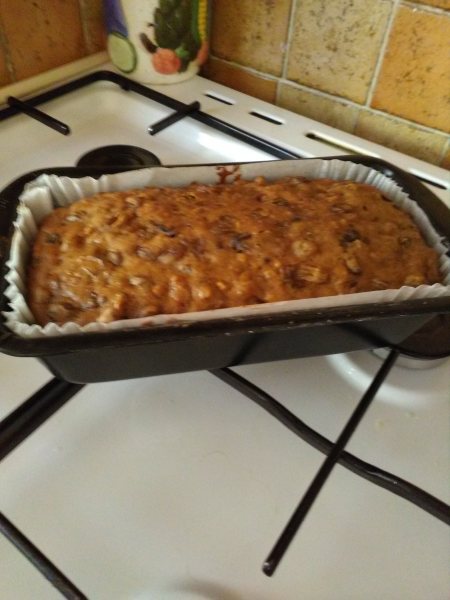 Irish Fruit Loaf Cake Recipe
 BREXIT A Clarion Call
 Story Telling Presentation Skills
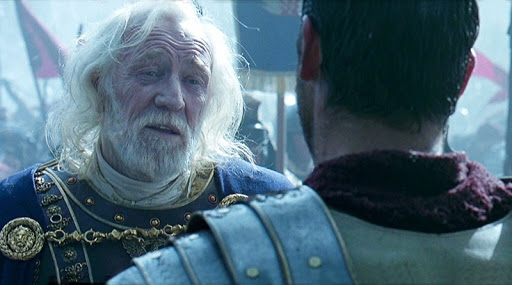 Marcus Aurelius
 Kate Moss
 James Bond Selfie
 Snake High Score 44
 Cook Perfect Steak
 Rock Monsters Iron Maiden Magic
 University Home Page
 Prince Charles receives Montblanc art patronage award
 Movie Legends - Virginia McKenna
 The TWELVE Week Guide To Shredding Fat And Building Lean Muscle
 Sketch of a racing horse
 How To Make An E-Commerce Store Without Shopify
 My Rant on TESCO..
  How to make Chewy Ginger Nut Cookies.
 Banking Key Note Talk
 Affiliate Marketing
 Backtesting Apples Share Price
 Tesco Review: Unraveling the Journey
 Custom Made Plantation Shutters
 Time For Wine
 Cat steals some milk during Dean of Canterbury Cathedral's morning sermon
 Twenty Two Million Dollar Oceanfront Home
 Dr Guy Rooney Medical Director Great Western Hospital on the importance of getting your flu jab
 Volcano Park
 Westminster In The Freezing Snow
 Search Engine Inbound Marketing
 The 2014: Living in the Shadow of Regulation? Whitepaper Part 1 | Foreword
 A Visit To The Wine Country
 Bitcoin Trading The Ultimate Ponzi Scheme
 How To Sign Up to OnMyBubble.com
 How To Sell OMB Digital Coin
 LEGO 42056 Technic Porsche 911 GT3 RS Building Set
 Mobile blogger
 Operating Model Strategy
 Nakagin Capsule Tower
 Go Kart Project
 Digital Marketplaces
 Eric Bigham FCCA
 God Bless Technology
 Marketing Scorecard
 Sell online with a FREE OMB Online Store
 The 2014: Living in the Shadow of Regulation Whitepaper Part 4 | A Strategy For Success
 How to boil a perfect soft egg
 Stay Cool This Summer With Whiskey Sprite Lime Cocktail
 Bargain Holidays
 CV Preparation
 Fire Fighting Costs
 Sudoku Suite
 How to build a DIY Garden Gate for Privacy, Security and Style.
 Breakfast Almond Bakes
  Business angels
 Minus Five UKs Big Freeze
 Dublin Bus Old Dublin History
 Garden Owl Painted
  The-London-Fitness-Academy-Definition-Of-Nutrition
 The-fashion-queens-Kendall-and-Kylie-Jenner
 Top 10 Healthy Foods
 Finance Tranformation
 Living in the Shadow of Regulation Whitepaper Part 6 - The Global Financial Crisis
 Old Holborn Tobacco Tin Pen Stand
 Passenger Locator Form
 Venture capitalists
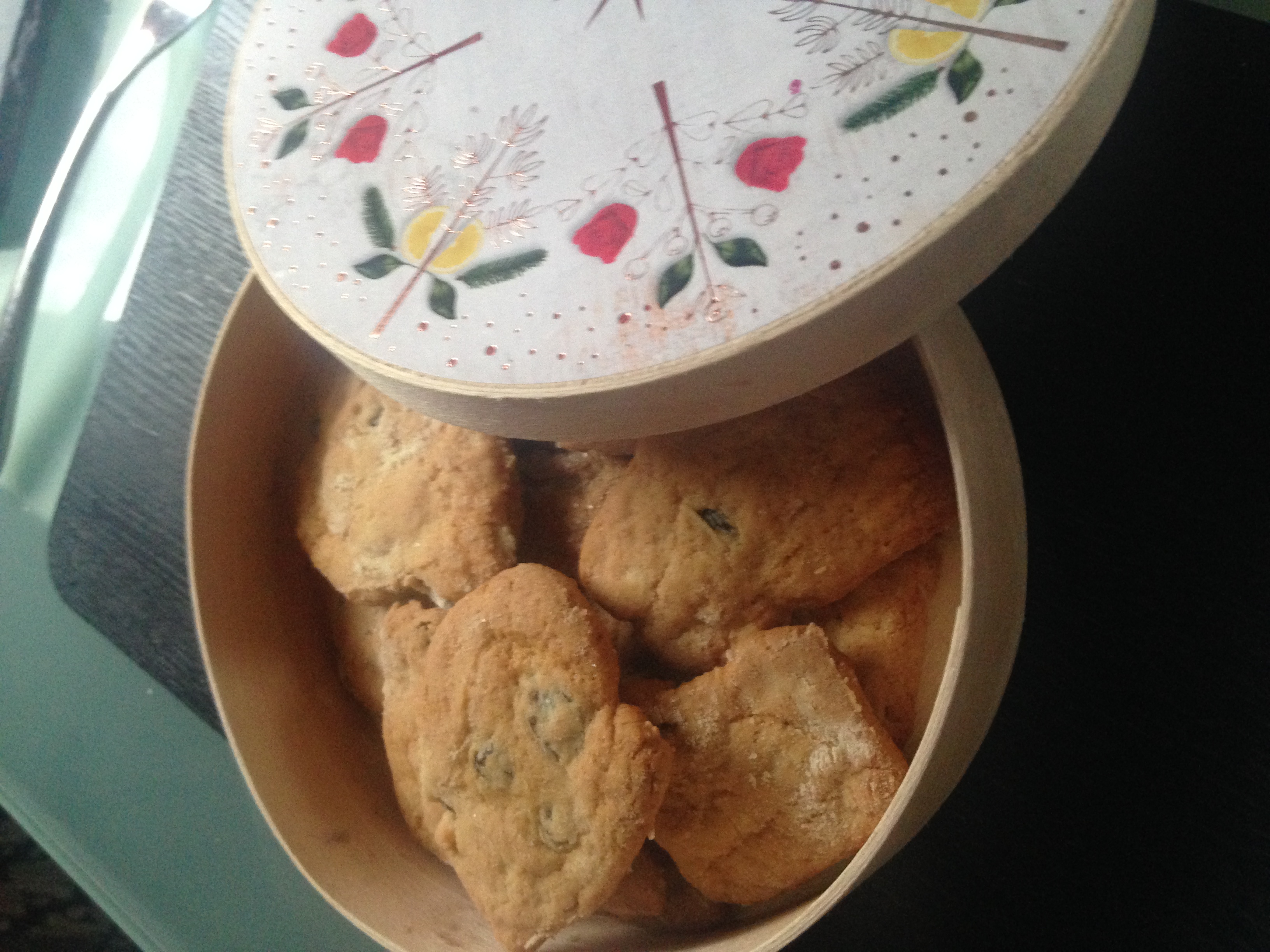 How To Store Store Your Home Baked Cookies
  The 2014: Living in the Shadow of Regulation? Whitepaper Part 2 | Background to the crisis
 I made Jamie's Loaf
 MAH JONG
 Basel 3 Accord The Banking Regulations
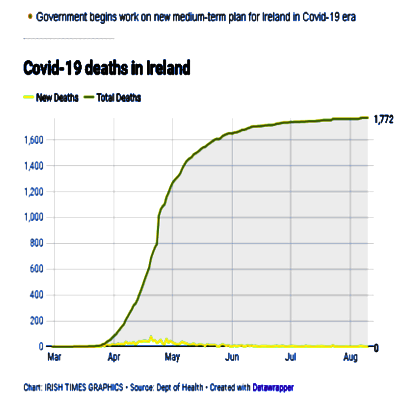 Irish COVID Chart
 Strategy Consulting Services
 Cost Reduction Strategy
 Remy Martin V.S.O.P. Cognac Fine Champagne
  The Wedding Planner
 The 2014: Living in the Shadow of Regulation Whitepaper Part 5 | The Global Financial Crisis
 Launch America Cancelled
 Marvel Annual
 BREXIT A Clarion Call
 Road Rage The Game
 Black Jack
 New Gamer Launches
 Overview of Internal Migration in Philippines
 Parking Fury The Free Online Parking Game
 A Target User Test
 affiliate marketing tips
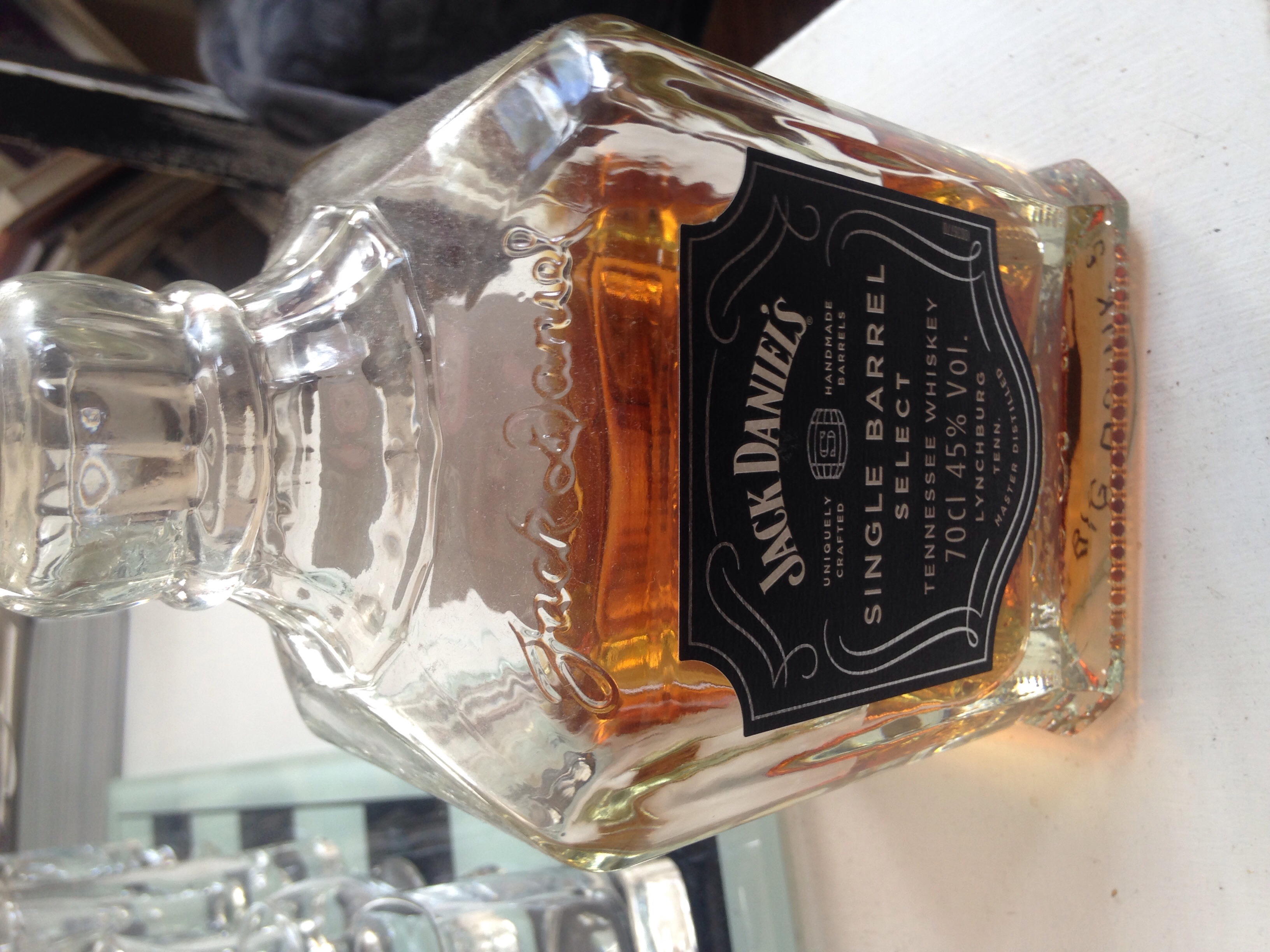 Jack Daniels Single Barrel Select
 Monkey Magic Reaching Gandhara
 Pool Ball Mania
  Bump Off Your Bruises
 The Worlds Richest Man Talks about Quality Decision Making
 Danny Dyer
 Drambuie Barmbrack Tea Cake
 Nature's Park Sounds For Meditation & Relaxation
 Surviving Corona Lockdown
 Coffee Short bread
 Champagne Bar
 Face mask sculpture
  Dive into Gotham City Slots Unveiling Modern Digital Coin Gaming & Stable Coins!
 Unusual Gift Ideas
 Mount-Bromo-Semeru-National-Park
 Ginger Bread Loaf
 The 2014: Living in the Shadow of Regulation Whitepaper Part 3 | The Crash
 Fresh Juice
 House Of The Rising Sun
 Markets rally on news of lockdown measures lift
  Silver Jug Of Ale
 Hello Engineer
 Face Masks
 Apple and fruit tart
  Knights In Shining Armani Suits
 Owl Sketch
 How To Make The Perfect Cup Of Earl Grey Tea
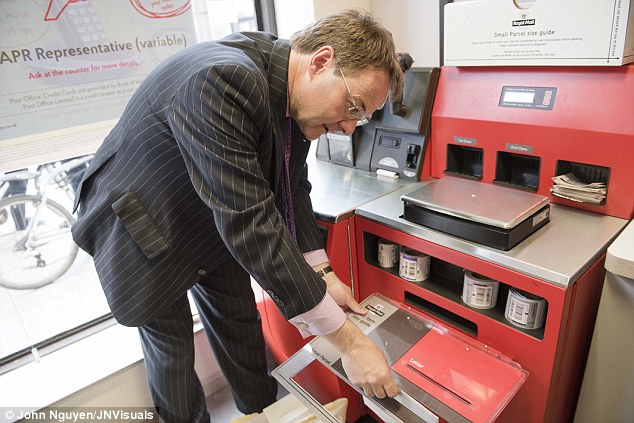 Why are the Postal Service Self Service Machines failing customers
 SkyScannerApp
 A Day in the park
 War Zone
 Beating The Lockdown Blues
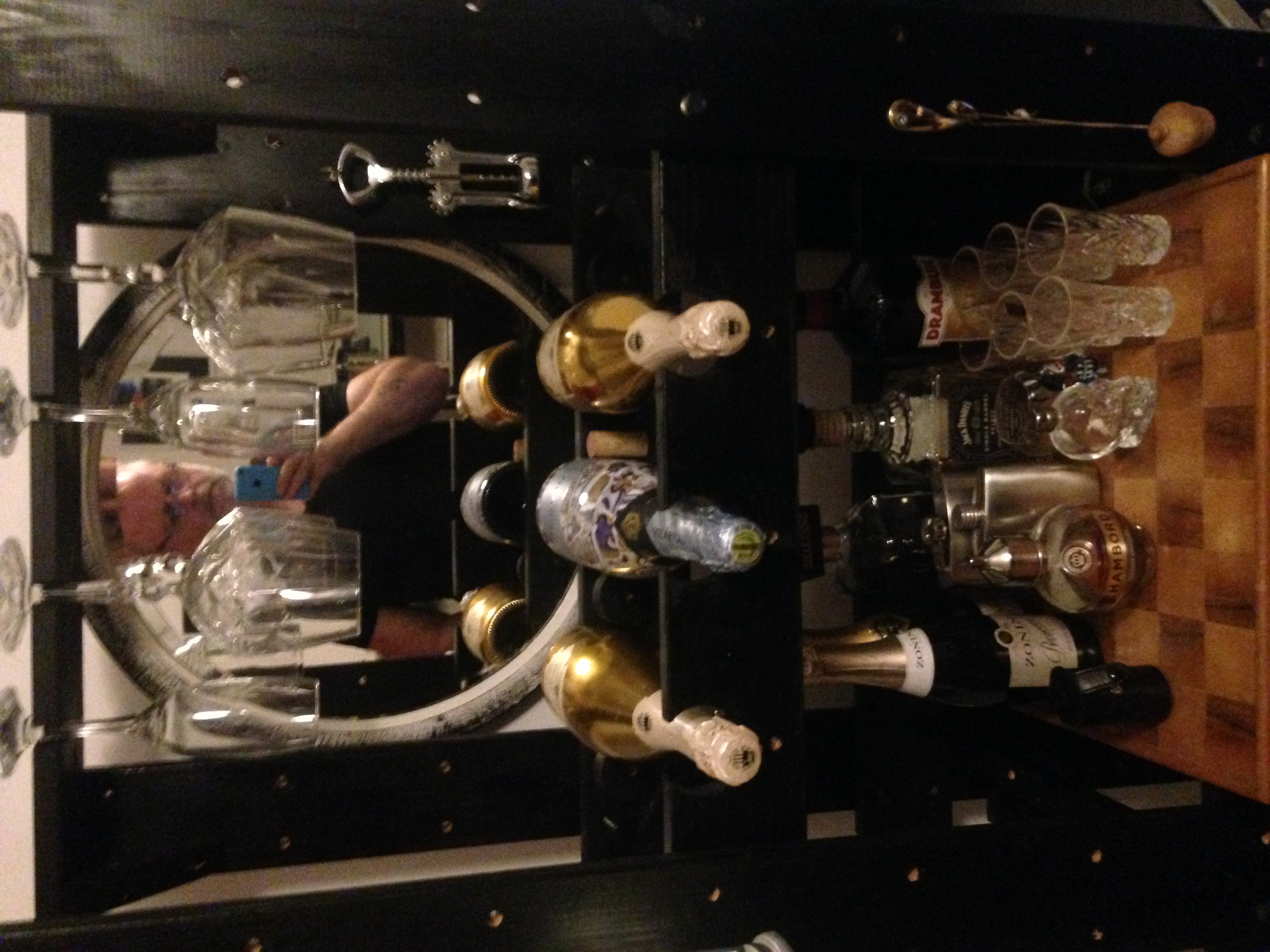 I made a Champagne Bar
  How to Make a Wall Sofa Bed
 Tradfest Temple Bar
 Cava Cocktails
 Guess The Game
  When you do not need to complete the travel locator form and any covid tests
 Why I quit my highly paid dream job
  Investors in Small Cap and Pre IPO companies cling to the early signs
 Two Tone
 London Shops Open To Crowds
  OMB Coin
  the Mercedes AVTR
 Irelands Old Telephone Box
  Summertime unlocked
  Jules Verne
 Wooden Venetian Blinds Cost To Fit
 Champagne Cocktails
 How to use Omeprazole Gastro-resistant hard capsules
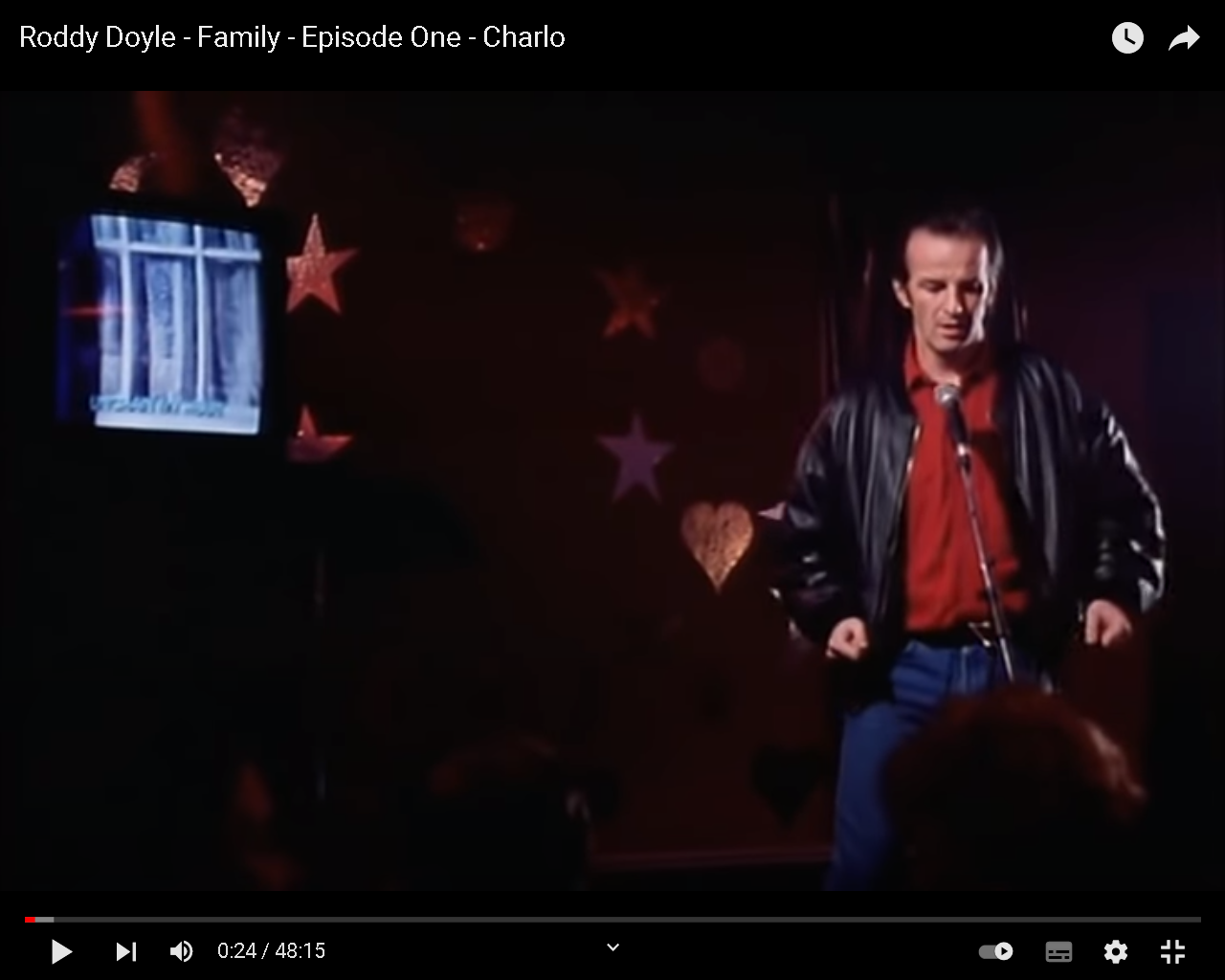 Family part 1 Charlo
 How To Present To Senior Management:
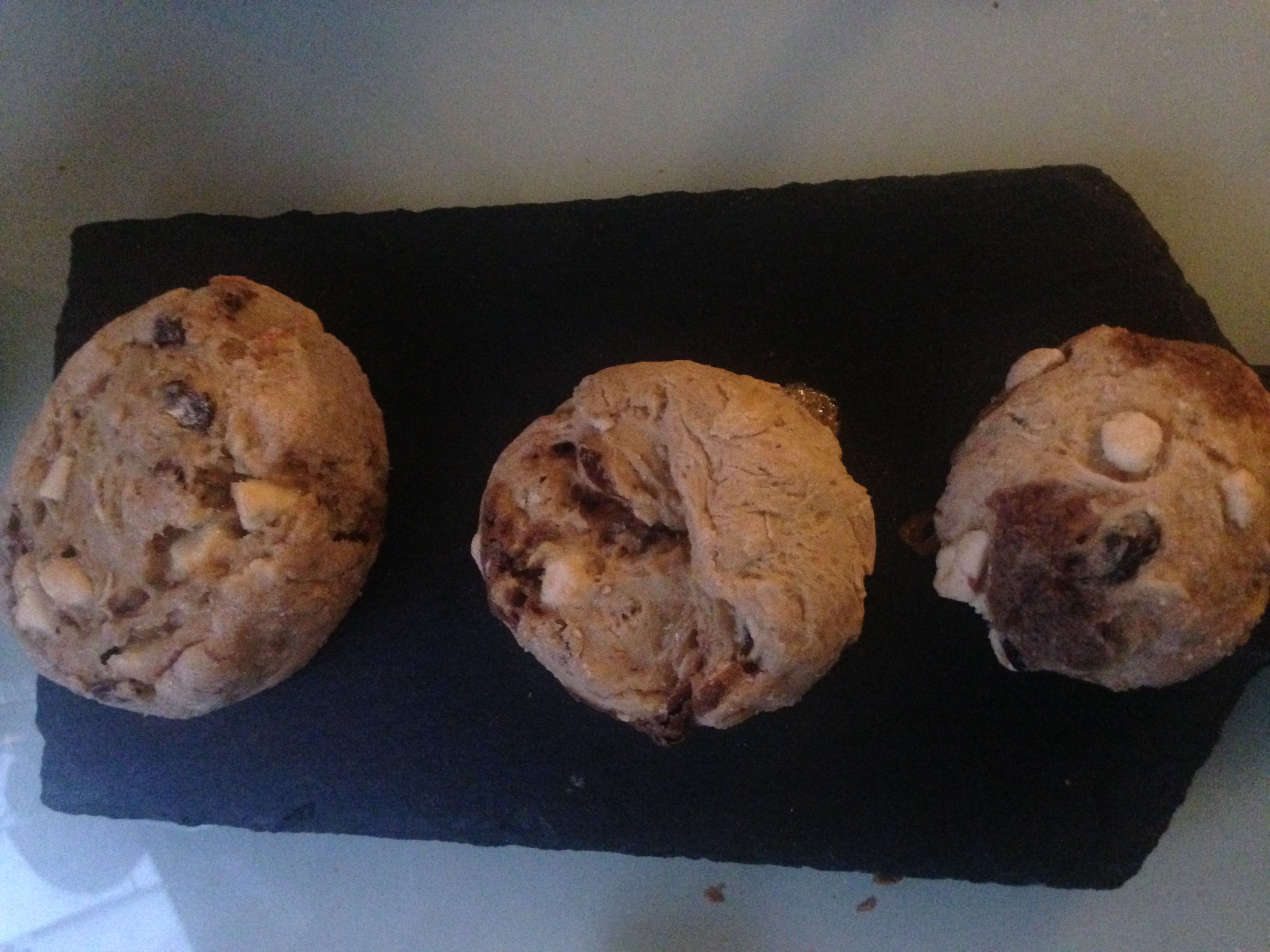 Double Chocolate Chip Cookies
 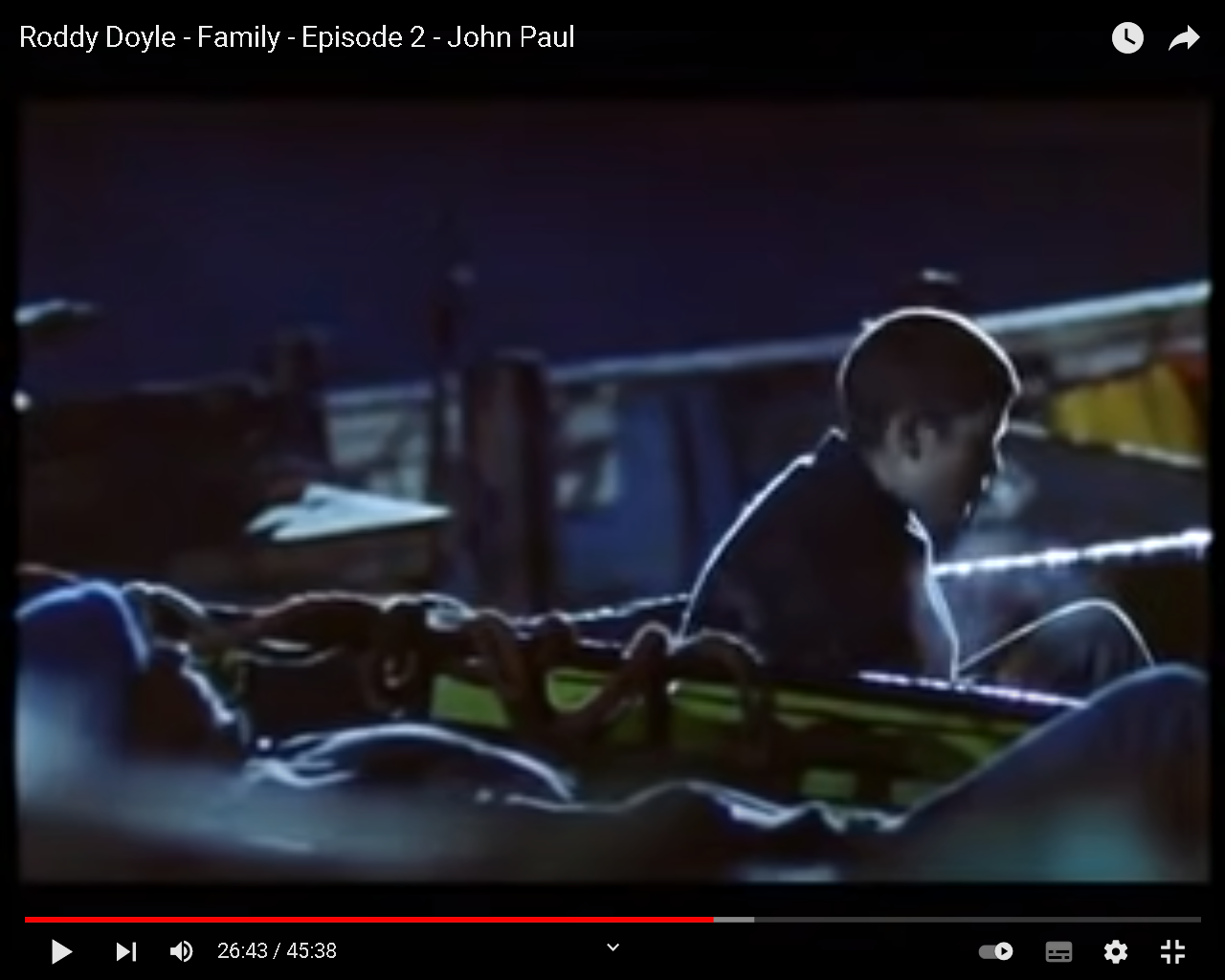 Family part 2 John Paul
 Mastering the Art of Manga: A Step-by-Step Guide for Beginners
 First OMBCoin
  Can I Change My GP in Ireland? A Guide for Medical Card and Private Patients
 Japan to forfeit Olympic Games
 Gaming Management: Strategies for Success in the Gaming Industry
 Being Nemo
 Plantation Shutters
 OnMyBubble.com
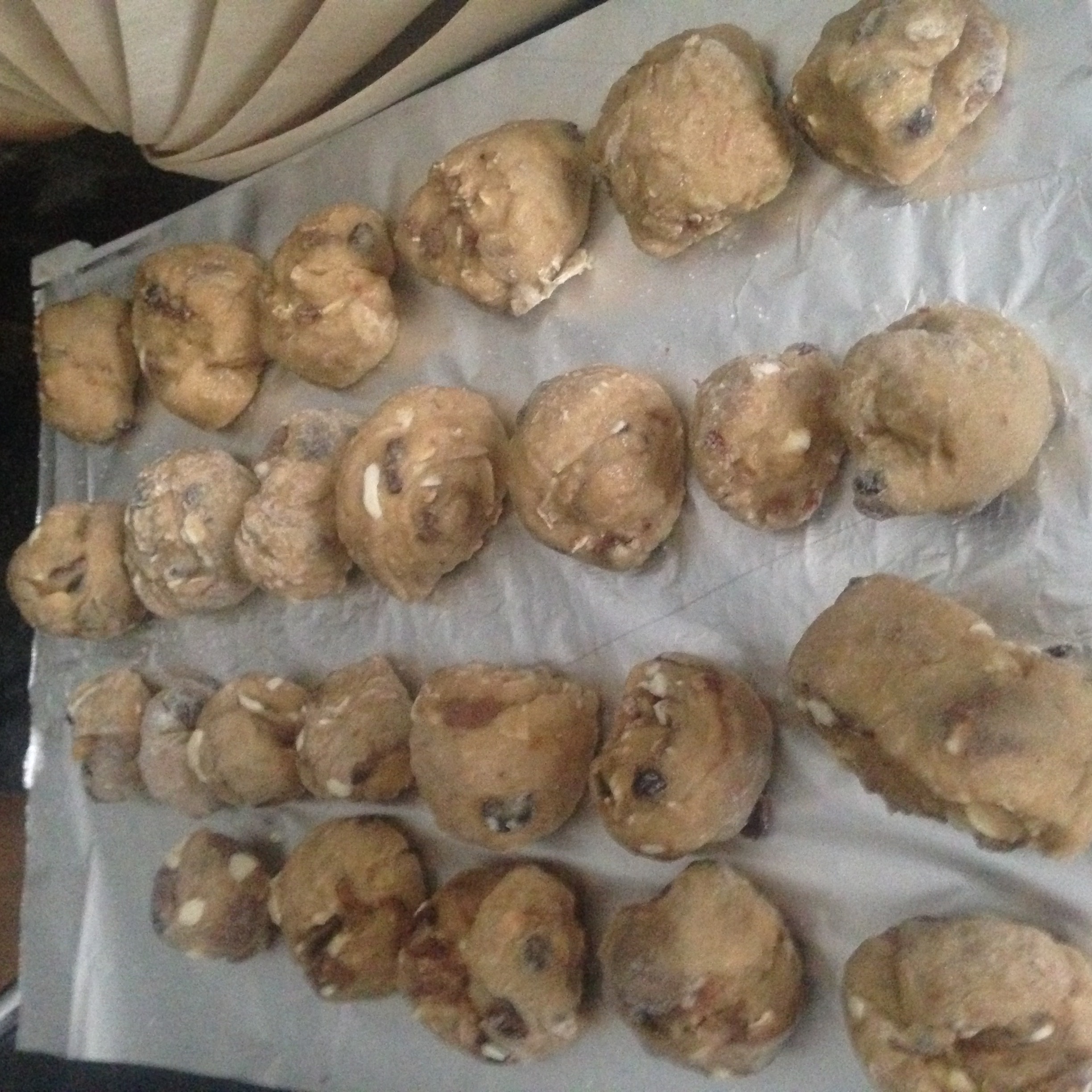 Cookie dough ready to go
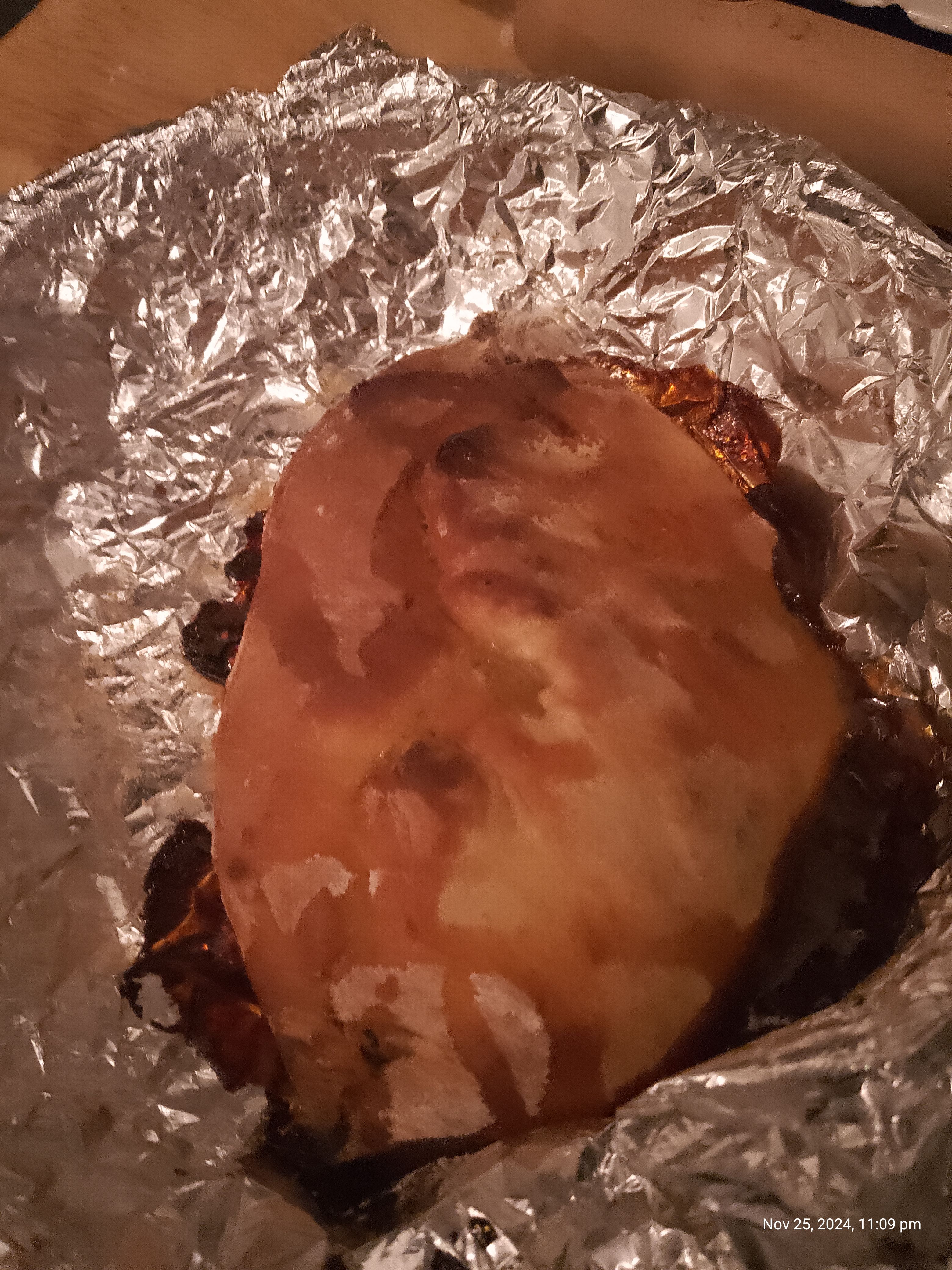 Festive Home Made Mince Pies
 Two Tone Ska
 Cave Hunter The Search Infernal
 Breakfast Cookies
  OnMyBubble.com
 Launching Digital Services Automation Systems
 Postponing the Olympic and Paralympic Games
 Roku Japanese Craft Gin
 Family Part 4 Paula
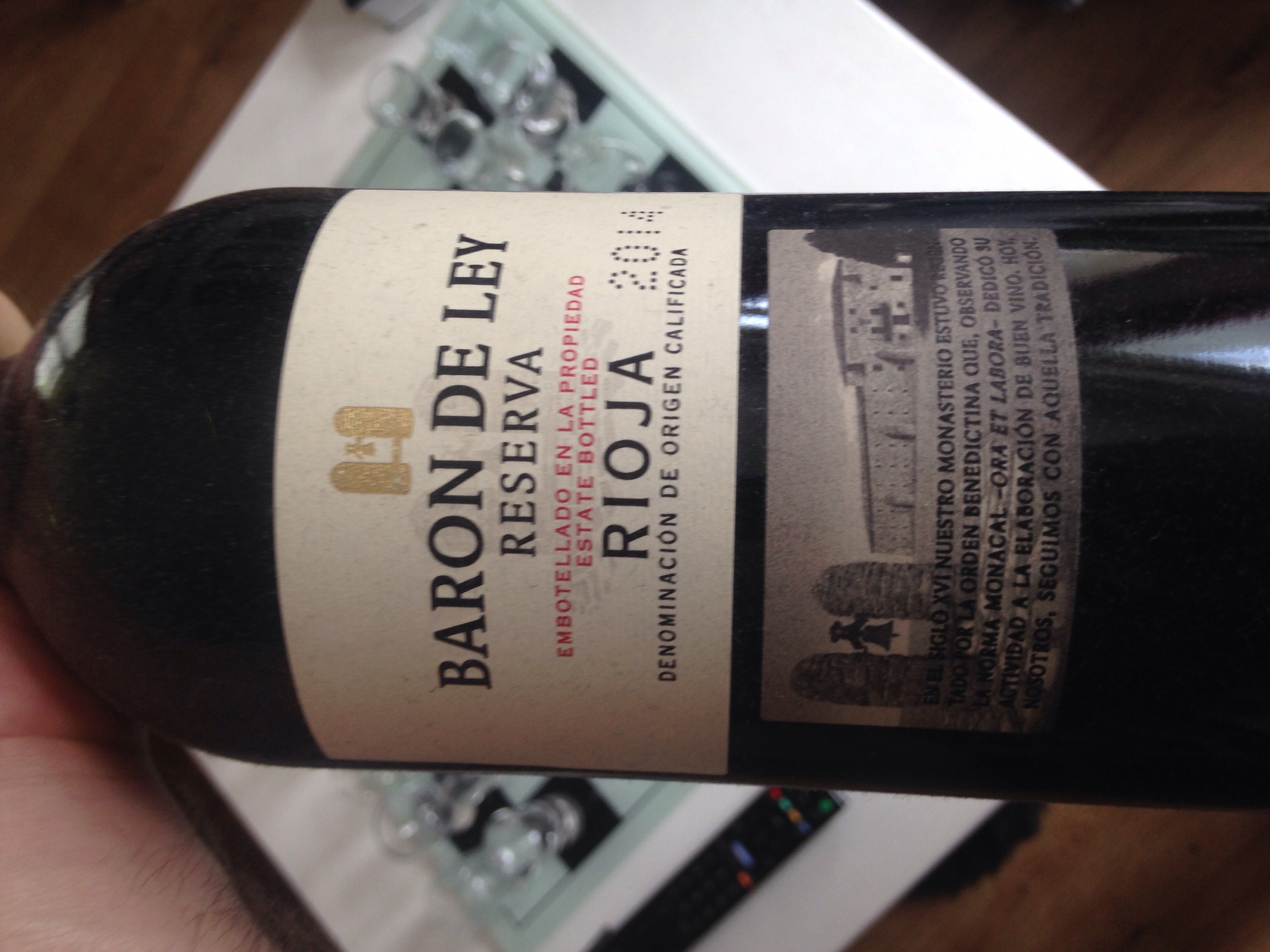 Baron De Ley Reserva Rioja
 Another New Blog
 LaunchAmericaLive
 Freshly baked bread
 Custom Montblanc Rollerball
 Chambord Black Raspberry Liqueur
 Launching Digital Services Automation Systems
 Bezos Wedding: What It Really Means
 BSNStatement
 music (58)
 fashion (16)
 car (10)
 real_estate (27)
 beauty (9)
 travel (22)
 design (31)
 food (44)
 dating (8)
 movie (13)
 photography (5)
 law (6)
 health (17)
 green (4)
 technology (16)
 SEO (5)
 marketing (11)
 history (10)
 lifestyle (17)
 university (3)
 dog (1)
 money (10)
 business (59)
 fitness (12)
 wedding (8)
 education (3)
 science (1)
 shopping (7)
 entertainment (11)
 sports (17)
cat (6)
sports (17)
cat (6) social_media (1)
 medical (3)
 wine (4)
 celebrity_gossip (4)
 DIY (5)
 nature (2)
 gaming (65)
 pet (6)
 finance (35)
 political (4)
 career (8)
 parenting (4)
 economics (17)
advertisement

Living-in-the-Shadow-of-Regulation-Whitepaper-Background-to-the-crisis OnMyBubble.com